Blogs
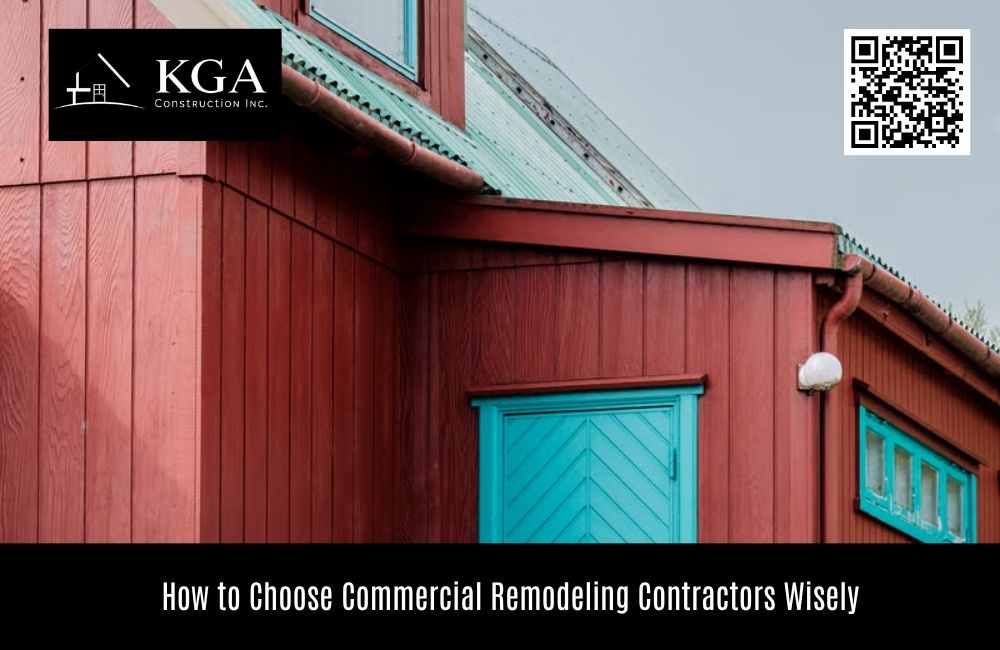
How to Choose Commercial Remodeling Contractors Wisely
Choosing commercial remodeling contractors requires a different mindset than hiring someone for a small property repair. A commercial renovation can affect customers, employees, building systems, equipment, inventory, accessibility, and daily operations at the same time. For Sacramento property owners and business operators, the right contractor should understand both construction and the practical demands of working in a commercial environment. Looking beyond the initial estimate and examining experience, documentation, project controls, communication, and quality standards can help you make a more informed decision.
First, Define What the Remodel Needs to Achieve
Before contacting contractors, establish why the property needs renovation.
A business may need additional workstations, better customer circulation, new private offices, a redesigned reception area, improved storage, updated restrooms, or a more efficient service area.
Another property may need significant modernization because the existing interior no longer supports the business occupying it.
These are very different objectives.
Defining the desired outcome gives prospective contractors a clearer picture of the project and makes their recommendations easier to evaluate.
Look for Genuine Commercial Remodeling Experience
A contractor can be highly capable and still not be the right match for every type of project.
Commercial properties create considerations that may not appear in typical residential remodeling.
Construction may need to happen around employees or customers. Materials may experience heavier use. Building systems can be more complicated, and several specialty trades may need to work within a tight schedule.
Ask about projects with comparable conditions.
Relevant experience can be particularly important when the property will remain partially operational during construction.
Verify the Contractor Behind the Marketing
A polished website is useful for learning about a company, but it should not be the only basis for hiring.
Property owners should verify appropriate contractor information and understand who they are considering before signing an agreement.
The company named on the proposal should be clear, as should the party responsible for managing the construction.
Owners should also review relevant project experience and discuss who will supervise the job.
The objective is to connect the marketing claims with the company that will actually be responsible for delivering the project.
Evaluate the Property Before Finalizing the Scope
A commercial remodel should respond to the building that already exists.
An older Sacramento property may contain previous modifications that affect new work. A newer suite may still have a layout or building systems that do not fit the next occupant.
Before the final scope is established, the contractor should understand the areas affected by construction.
Ceilings, walls, utilities, existing finishes, equipment, access points, and adjacent occupied spaces can all influence how the renovation is approached.
A thorough understanding of existing conditions can reduce assumptions during estimating.
Look for an Estimate That Explains the Work
The total price matters, but the quality of the estimate matters too.
A proposal should provide enough information for the owner to understand the work being offered.
If one contractor provides a substantially different price from another, the first question should not automatically be which number is better.
Instead, determine why they are different.
One company may have included work that another excluded. Material assumptions may vary. Site preparation or cleanup may be handled differently.
Without understanding the scope behind each price, comparing totals alone provides limited information.
Understand Allowances Before Accepting Them
Not every material needs to be selected before a contractor provides an initial proposal.
Allowances can provide flexibility when certain choices remain open.
However, owners should understand what those allowances are intended to cover.
If an allowance is much lower than the products the business expects to select, the project price can increase as decisions are finalized.
Reasonable assumptions create more useful budgets.
Ask how allowances will be adjusted when actual selections are made so the financial effect remains clear.
Discuss Existing Conditions and Contingencies
Remodeling differs from constructing an entirely new building because portions of the existing property remain in place.
Some conditions cannot be fully evaluated until demolition begins.
Owners should ask how the contractor handles unexpected discoveries.
A well-organized project should have a method for documenting what was found, explaining any necessary response, and identifying potential cost or schedule implications.
This process helps separate legitimate unforeseen conditions from work that should have been included in the original scope.
Ask Who Coordinates the Subcontractors
Commercial renovations can involve electrical, plumbing, HVAC, framing, drywall, flooring, painting, cabinetry, and specialty trades.
Those activities need to happen in the correct sequence.
Owners should understand who coordinates the subcontractors and who checks that each area is ready before the next phase begins.
Poor sequencing can result in finished work being damaged or reopened.
Strong coordination reduces these conflicts and gives the business owner a central point of responsibility instead of forcing them to manage several independent trades.
Make Communication Expectations Clear
Construction creates many small questions and several major decisions.
Determine how the contractor communicates important information.
Some discussions may happen on site, but significant decisions involving scope, cost, materials, or schedule should be documented clearly.
Owners should also know who to contact when they have a question.
A defined communication structure becomes especially useful on larger projects where estimators, project managers, supervisors, and subcontractors may all be involved.
Consider How Construction Will Affect Customers
A commercial remodel can influence the customer experience before it is finished.
Blocked entrances, confusing temporary routes, excessive dust, noise, or construction materials in customer areas can create frustration.
If the business will remain open, discuss customer circulation before work begins.
Some activities may need to occur outside peak periods, while others may require temporary separation from occupied areas.
The exact strategy depends on the business, but customer impact should be part of construction planning rather than addressed only after problems appear.
Protect Employee Work Areas
Employees can also be affected by construction.
Noise may interfere with calls or concentration. Dust can spread beyond the immediate work zone. Temporary closures may change how people move between work areas.
Owners should identify spaces that are particularly sensitive.
Contractors can then incorporate those constraints into sequencing and site organization where practical.
The goal is not necessarily to eliminate all disruption. Renovation naturally creates some inconvenience.
The objective is to prevent avoidable disruption from becoming part of normal business operations.
Choose Materials for Commercial Use
A finish that performs well in a quiet room may behave differently in a high-traffic commercial setting.
Flooring, wall finishes, countertops, doors, hardware, and cabinetry should be evaluated according to expected use.
Consider how often surfaces will be cleaned, whether carts or equipment will move across them, and how many people will interact with them daily.
Durability does not require selecting the heaviest-duty product for every surface.
It means matching material performance to actual conditions so maintenance and premature replacement are reduced.
Plan Storage Before the Walls Are Finished
Storage frequently disappears from the priority list when businesses are trying to maximize customer or work areas.
Once operations begin, however, supplies still need somewhere to go.
Cleaning equipment, employee belongings, inventory, tools, documents, and packaging can quickly occupy visible spaces if storage is insufficient.
The remodel should account for what the business needs to store and where those items are used.
Convenient storage can improve both appearance and operational efficiency without requiring excessive floor area.
Consider Technology and Electrical Needs Early
Modern commercial spaces depend heavily on electrical and data infrastructure.
Computers, displays, point-of-sale systems, security equipment, Wi-Fi hardware, specialty machinery, charging areas, and other technology may require carefully located connections.
Waiting until walls are finished to identify these needs can create unnecessary modifications.
Owners should communicate equipment and technology requirements during planning so they can be coordinated with the layout.
Future flexibility can also be worth considering when a business expects its technology needs to change.
Think About Exterior Space as Part of the Property
Not every commercial remodel ends at the exterior wall.
Restaurants, cafés, offices, service businesses, and other properties may benefit from improved outdoor areas.
When working with patio builders, owners should consider how the exterior space connects to interior circulation and the primary business use.
An outdoor area should not obstruct deliveries, create confusing customer routes, or reduce practical access to other parts of the property.
When planned properly, it can become a functional extension of the commercial interior.
Coordinate Patio Construction With the Remodel
If patio construction is part of the larger project, sequencing deserves attention.
Exterior work may involve material deliveries, demolition, drainage changes, or access through areas also needed by interior crews.
Completing improvements in the wrong order can expose finished surfaces to unnecessary damage.
The interior and exterior schedules should therefore be considered together, even if different crews perform the work.
Coordinated planning can reduce duplicated labor and keep the site more manageable.
Evaluate Shade Structures in Context
Commercial outdoor spaces in Sacramento may benefit from shade during warmer periods.
Before working with patio cover builders, owners should evaluate how a proposed structure relates to windows, entrances, signage, exterior lighting, and customer visibility.
A cover that works well for seating but blocks an important storefront feature may create another problem.
Exterior structures should support the property as a whole rather than being planned independently.
Consider a Contractor's Broader Capabilities When Relevant
Some property owners manage both commercial and residential projects.
A company capable of multiple construction types can sometimes provide useful continuity across a broader portfolio.
An owner who also needs an ADU Contractor, for example, may value a contractor with relevant residential construction experience.
Similarly, someone researching ADU builders near me while also managing a commercial renovation may prefer fewer construction relationships.
Even so, each project should be evaluated independently.
Commercial remodeling experience remains important when selecting a contractor for a business property.
Ask About Project Closeout Before Construction Starts
The final stage of a remodel deserves attention during contractor selection.
Ask what happens when major construction is substantially complete.
There may still be adjustments, touch-ups, cleanup, documentation, or remaining details to address.
A clear closeout process helps owners understand how unfinished items will be identified and resolved.
This is particularly valuable for businesses preparing to reopen or fully occupy the remodeled area because small unresolved details can interfere with an otherwise successful transition.
Consider Maintenance After the Remodel
The best commercial renovation should continue working after the construction team leaves.
Owners should think about how easily surfaces can be cleaned, how accessible building components are for future service, and whether materials can tolerate expected wear.
Complicated decorative features may look impressive initially but create unnecessary maintenance if they are difficult to reach or repair.
Long-term operating costs deserve a place in the remodeling conversation alongside initial construction costs.
Compare Contractors Based on the Complete Picture
Price is only one part of contractor selection.
Relevant experience, estimate quality, communication, subcontractor coordination, occupied-site planning, material knowledge, supervision, and closeout procedures all influence the finished project.
A contractor should also understand why the business is remodeling in the first place.
The strongest project is not simply the one completed with new finishes. It is the one that leaves the business with a space that functions better than it did before.
KGA Construction Inc. provides commercial remodeling, tenant improvements, residential construction, ADU builders near me, patios, and related construction services throughout Sacramento and surrounding communities. Business and property owners comparing contractors can make a stronger decision by evaluating the complete construction process rather than relying on a single estimate or marketing claim.
Contact KGA Construction Inc.
KGA Construction Inc.
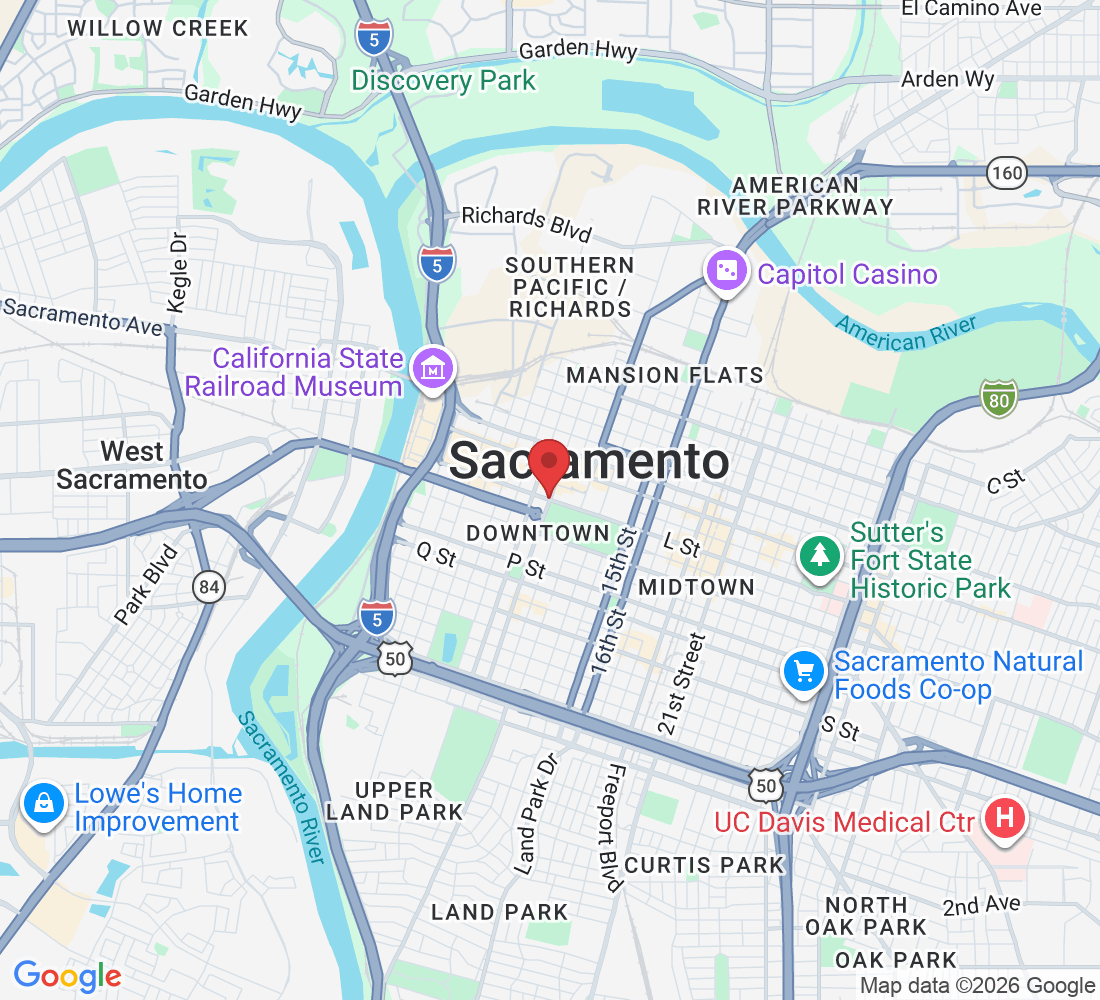
Address: 400 L St, Rio Linda, CA 95673, United States
Phone: +1 (916) 320-6902

Lead Capture form
© 2026 KGA Construction Inc - All Rights Reserved.
Powered by Sitefulia